Best oven cleaning for landlords near Regent Park in Camden
If you manage a rental near Regent Park in Camden, oven cleaning can be one of those small jobs that causes surprisingly big stress. Tenants move out, the inventory is due, and suddenly the oven looks like it has lived a much harder life than the rest of the flat. The best oven cleaning for landlords near Regent Park in Camden is not just about making an appliance look presentable. It is about handover standards, deposit protection, speed between tenancies, and keeping a property ready for the next occupant without the usual last-minute scramble.
In this guide, you will find a practical, landlord-friendly approach to oven cleaning: why it matters, how it works, when to book it, what a proper service should include, and the common mistakes that trip people up. I'll also cover the questions landlords ask most often, plus a clear checklist you can use before a new tenancy starts. No fluff. Just the useful stuff.
Why Best oven cleaning for landlords near Regent Park in Camden Matters
For landlords, a dirty oven is rarely "just a dirty oven". It can affect how quickly a property is re-let, whether the handover feels professional, and how smooth the end-of-tenancy conversation becomes. A greasy grill pan or burnt-on residue might seem minor, but in a compact London kitchen it can make the whole place feel tired. That first impression is powerful. Tenants notice it straight away, even if they do not say much.
Near Regent Park in Camden, many rentals are in busy, high-turnover buildings where time between tenancies is tight. The practical challenge is simple: you often need a property cleaned, checked, and ready fast. A neglected oven can slow everything down, especially when letting agents, inventory clerks, and incoming tenants are all looking at the same kitchen on the same day. Let's face it, nobody wants to spend the move-in appointment discussing baked-on chips from the last tenancy.
It also matters for upkeep. Regular oven cleaning helps prevent heavy carbon build-up, unpleasant smells, smoke when the oven heats up, and stubborn grime that becomes more expensive to remove later. If you wait too long, the job becomes more labour-intensive and less predictable. In rental property management, predictability is gold.
Expert summary: The best oven cleaning for landlords is not simply the deepest clean. It is the clean that protects the handover, supports deposit fairness, reduces re-marketing delays, and keeps the property looking cared for.
And if the rest of the flat is being refreshed at the same time, it often makes sense to coordinate services. For example, a landlord might pair oven cleaning with carpet cleaning or sofa cleaning in furnished lets, especially where the property needs that crisp, move-in-ready feel. Not flashy. Just sensible.
How Best oven cleaning for landlords near Regent Park in Camden Works
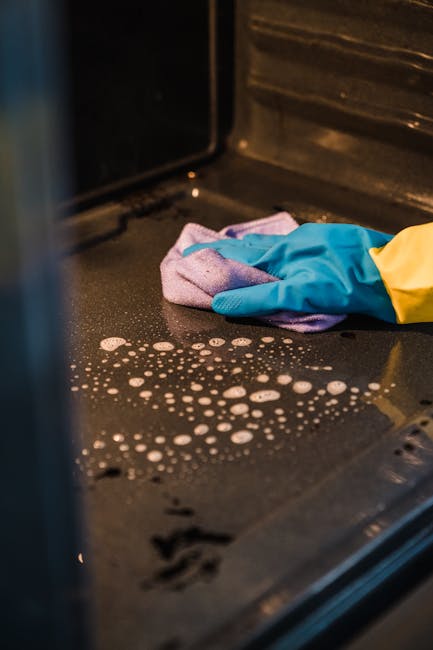
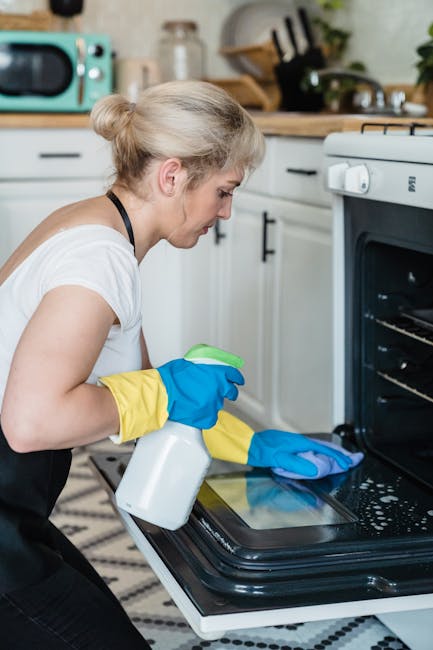
A proper oven cleaning service usually starts with a quick inspection of the appliance. That includes the oven cavity, shelves, trays, door glass, seals, hob area if relevant, and often the extractor zone if it is part of the agreed job. The technician then removes loose grease and carbon, applies suitable cleaning products, and works through the racks, panels, and interior surfaces carefully. In many cases, removable parts are taken out and cleaned separately so the inside can be reached properly.
The exact method depends on the oven type and condition. A lightly used oven in a one-bedroom flat may need a standard deep clean. A heavily used family kitchen, or a rental where the tenant has not cleaned much at all, can need more detailed attention. Truth be told, ovens are a bit like that one drawer everyone has at home. They accumulate a history.
Professional oven cleaning is usually built around a few practical goals:
- remove baked-on grease and food residue
- restore visibility through the glass door
- reduce odours and smoke
- clean racks, trays, and internal panels
- leave the appliance safer and easier to use
Many landlords also want the process to be low-disruption. That matters in Camden, where flats can be compact, access can be tight, and scheduling has to work around key collections, checkout times, and cleaners already in the property. A reliable service should be able to work cleanly and efficiently without turning the kitchen into a half-day construction site. You know the feeling: you want progress, not chaos.
Where needed, cleaning can be part of a wider tenancy turnover plan. A property with marks on upholstery, splashes on walls, or a stained rug may benefit from linked services like upholstery cleaning, rug cleaning, or even stain removal. That is especially helpful when the aim is to present the place as cared for rather than merely cleaned.
Key Benefits and Practical Advantages
The strongest case for professional oven cleaning is straightforward: it saves time and helps protect the property's presentation. But the real advantages go a little deeper than that.
1. Faster end-of-tenancy turnaround
When an oven is cleaned properly, the kitchen is ready sooner. That sounds obvious, but speed matters when you are trying to overlap viewings, inventories, and maintenance visits. One less thing to chase is a genuine relief.
2. Better handover results
A clean oven gives a better impression during checkout. Even when tenants have otherwise left the property in good condition, a greasy oven can dominate the conversation. In a fair handover, a clean appliance helps keep the discussion focused on facts rather than frustration.
3. Reduced long-term wear from residue
Grease and carbon are not just ugly. Over time, they can make ovens smell, smoke, and perform less efficiently. Regular cleaning helps keep the appliance in better condition and can reduce the need for more aggressive restoration later.
4. Better presentation for new tenants
New occupants often judge the whole kitchen by the oven. If the door glass is clear and the inside smells neutral, the space feels much more trustworthy. That first impression can matter more than people admit.
5. Easier compliance with inspection standards
While oven cleaning itself is not usually a legal issue on its own, clean and well-maintained appliances support the broader landlord duty to provide a safe, habitable home. It also shows you are taking maintenance seriously, which is always good practice.
If you are managing multiple lets or a mixed property portfolio, it can also be useful to have a trusted cleaning routine that includes other services. For instance, commercial carpet cleaning can make sense in managed buildings or communal areas, while steam carpet cleaning may be the right choice in homes where deep sanitising is the priority.
Who This Is For and When It Makes Sense
This topic is mainly for landlords, letting agents, and property managers, but the practical need shows up in a few different situations.
- End-of-tenancy turnovers: when a tenant has moved out and the flat needs to be ready for check-in.
- Pre-let preparation: when you are refreshing the property before marketing or viewings.
- Periodic maintenance: for long-term lets where the oven needs a reset before grime builds up.
- Inventory-sensitive properties: where a detailed checkout report is likely to note cleanliness closely.
- Furnished rentals: where the oven is part of the advertised convenience and should look it.
It also makes sense if you are managing a property near Regent Park in Camden with limited turnaround time. In those cases, the goal is not to overcomplicate the job. It is to get the kitchen back to a consistent standard quickly and without awkward back-and-forth.
Sometimes a landlord tries to handle oven cleaning themselves, which can be fine for light upkeep. But if there is heavy burnt-on residue, smoking on heat-up, or a glass door that has gone opaque, a specialist is usually the better call. You can scrub for an hour and still feel like you have only moved the problem around. Happens more than people think.
For properties with broader cleaning needs, it may be efficient to bundle work with services like mattress cleaning or pet stain odour removal when pets, odours, or furniture issues are part of the turnover. That gives the home a coherent finish rather than a patchwork of partially fixed problems.
Step-by-Step Guidance
If you want the clean to go smoothly, a little structure helps. Here is a simple landlord-friendly process.
- Check the appliance type and condition. Single oven, double oven, range cooker, or integrated unit? Make a quick note of visible grease, burnt residue, and any damage before booking.
- Confirm what is included. Ask whether the service covers racks, trays, door glass, seals, knobs, hob edges, and the area around the oven if needed.
- Schedule it at the right point in the move-out process. Ideally after the tenant has fully vacated, but before final inspection and any photography for relisting.
- Clear access. Empty surrounding cupboards if needed, move loose items away from the work area, and make sure the technician can reach the appliance without delays.
- Document the condition before and after. Simple photos are often enough. They are helpful for your own records and, if required, for deposit discussions.
- Inspect the finish. Check the glass, shelving, seals, and oven cavity. Look for lingering grease or missed spots near hinges and corners.
- Coordinate any wider cleaning. If the flat needs carpets, upholstery, or stain work, line those up so the whole property is ready together.
That last step is easy to overlook. But it saves time. A kitchen that is immaculate next to a stained living room carpet still feels unfinished, and tenants notice that. People may not say it out loud, but they feel it.
Expert Tips for Better Results
Here is where a bit of practical know-how saves you trouble.
Book before the final crunch. If you wait until the last possible day, any delay can create a domino effect. A better approach is to build oven cleaning into the turnover plan early, especially if the handover date is fixed.
Use the oven's condition to choose the right method. A standard deep clean is usually enough for regular use, but very heavy build-up may need a more intensive approach. Don't assume all ovens need the same treatment. They really don't.
Ask for the glass and seals to be included. People often focus on the cavity and forget the door. But a clear oven door does a lot for the whole room. It's a small thing, but a good one.
Look for a service that respects the property. Shoes, tools, splash control, and careful handling matter. A skilled cleaner should work neatly, not just quickly.
Pair the clean with a quick maintenance check. If the oven light is out, the seal is damaged, or knobs are loose, deal with it at the same time. That way you are not revisiting the same appliance twice.
Think like the next tenant. Would you feel comfortable opening the oven and using it straight away? If the answer is no, there is probably still room to improve the finish.
For landlord services, trust signals matter too. If you are comparing providers, it helps to review pages like about us, insurance and safety, health and safety policy, and terms and conditions. Those pages tell you a lot about how a company works before anybody even picks up a sponge.
Common Mistakes to Avoid
Some oven cleaning problems are easy to avoid once you know what to look for.
- Leaving it until checkout day. This is the classic mistake. It creates pressure, and pressure creates shortcuts.
- Assuming the oven looks clean enough. Under bright kitchen light, streaks and residue show up more clearly than people expect.
- Forgetting the door glass. A shiny cavity with a dirty door does not feel finished.
- Not checking the seals and edges. Grease loves corners. It hangs out there like it pays rent.
- Skipping photos. Even if everything is fine, you want a record.
- Using overly harsh DIY products. Strong chemicals or abrasive scouring can damage surfaces and leave residues that are difficult to remove.
One more thing: don't assume every cleaning job should be done at the cheapest possible level. That is a false economy if the oven still looks tired when the next tenant walks in. A decent standard now often saves a repeat visit later. And nobody needs that extra call.
Tools, Resources and Recommendations
You do not need a truckload of equipment to keep a landlord oven presentable, but having the right basics makes life easier.
| Option | Best for | Pros | Limitations |
|---|---|---|---|
| Basic DIY clean | Light weekly maintenance | Low cost, quick for minor marks | Not ideal for heavy grease or end-of-tenancy standards |
| Deep DIY clean | Moderately dirty ovens | Can improve appearance without booking a visit | Time-consuming; results vary with build-up |
| Professional oven cleaning | Turnovers, heavy residue, polished presentation | More thorough, efficient, and consistent | Requires booking and budget |
For landlords, the best recommendation is usually a simple one: use DIY cleaning for upkeep, and bring in professional help when the property is being handed over or the grime has passed the point of sensible home treatment. That balance works well. It keeps costs controlled without letting the oven slide into "too far gone" territory.
If you are also managing flooring or upholstery at the same time, consider lining up related services like curtain cleaning, sofa cleaning, or upholstery cleaning. That kind of joined-up approach often makes the whole property feel more finished than handling each item separately.
Law, Compliance, Standards, or Best Practice
For landlords in England, oven cleaning itself is not usually a standalone legal duty in the way gas safety checks are. Still, it sits inside the wider expectation that rental homes should be clean, safe, and fit for occupation. In practical terms, that means the appliance should not be left in a condition that creates hygiene concerns, strong odours, or avoidable frustration for the incoming tenant.
Best practice in the lettings world is to document condition, keep standards consistent, and avoid arguments by setting expectations clearly from the start. Inventory reports, checkout schedules, and tenancy agreements all help here. If an oven is handed over clean, it is much easier to show what changed later. Simple, but important.
Landlords should also be cautious about safety when cleaning or commissioning cleaning. If an appliance is damaged, has a faulty door, or shows signs of electrical or heat-related issues, it should be assessed appropriately rather than just scrubbed and ignored. A clean oven is not the same as a safe oven. That distinction matters.
It is also sensible to choose a provider that is properly insured and has clear safety procedures. For many landlords, that is part of sensible risk management rather than bureaucracy. If you are trusting someone with access to a tenant property, you want that trust to be earned.
Options, Methods, or Comparison Table
Different landlord situations call for different approaches. Here is a simple comparison that helps narrow it down.
| Method | Typical scenario | Level of effort | Best outcome |
|---|---|---|---|
| Quick wipe-down | Freshly occupied home with light spillages | Low | Maintains appearance between deep cleans |
| DIY deep clean | Routine maintenance or mild tenant turnover | Medium to high | Improved finish if you have the time |
| Professional deep clean | End of tenancy, heavy build-up, time pressure | Low effort for the landlord | Most consistent and reliable handover result |
In simple terms, if the oven is only lightly marked and you are not in a rush, a DIY clean can be enough. If you need a presentable turnover in Regent Park or elsewhere in Camden, professional cleaning is usually the safer option. The difference is not just appearance. It is peace of mind, and that counts for a lot when keys are changing hands.
Case Study or Real-World Example
Here is a realistic example from the kind of situation landlords deal with all the time.
A one-bedroom rental near Regent Park comes to the end of a tenancy in late autumn. The tenant has otherwise left the flat in decent shape, but the oven has visible grease around the trays and a dull, cloudy door. The landlord has viewings booked within a couple of days. Instead of trying to clean it in a hurry the night before, they arrange a proper oven clean as part of the turnover.
The difference is immediate. The kitchen smells neutral instead of stale. The oven glass is clear. The next viewing feels calm, not apologetic. The landlord does not have to explain away the appliance, and the new tenant walks in to a kitchen that feels ready for use. That sort of detail can quietly support the whole lettings process.
What stands out most in these situations is not some dramatic transformation. It is the removal of friction. No awkward excuses. No last-minute panic. Just a cleaner handover and a more professional finish. That is what a good landlord service should do.
Practical Checklist
Use this before a new tenant moves in, or before the checkout inspection.
- Confirm the oven type and condition
- Check whether racks, trays, and glass are included
- Schedule the clean after vacancy but before final handover
- Take before photos
- Ensure access to the property and appliance
- Inspect the seals, hinges, and door glass
- Look for smoke, odour, or residue after heating
- Coordinate with any wider cleaning needed in the flat
- Keep your records for inventory or deposit discussions
- Review whether the next turnover could benefit from a recurring cleaning plan
If you can tick most of those boxes, you are in good shape. If not, that is fine too. It just means there is a bit more to tidy up before the handover. Not a disaster. Just a job.
Conclusion
The best oven cleaning for landlords near Regent Park in Camden is the kind that supports a clean, calm, well-documented handover. It should help the property look cared for, reduce stress around deposit discussions, and make the kitchen feel ready for real use rather than just "good enough".
For landlords, the smartest approach is usually simple: keep on top of maintenance, book professional help when the oven is heavily used or the turnover is tight, and treat cleaning as part of wider property presentation rather than an isolated chore. That way, you get fewer surprises and a better result for everyone involved.
If your property needs a broader refresh, it may also be worth reviewing related services and housekeeping details such as pricing and quotes, payment and security, and the company's recycling and sustainability approach. Those details help you choose with more confidence, which is never a bad thing.
Get a free quote today and see how much you can save.
Frequently Asked Questions
How often should a landlord book oven cleaning?
It depends on tenancy length and how the appliance is used. For many rentals, the oven is cleaned at the end of each tenancy and then maintained lightly between lets if needed. Heavy-use properties may benefit from more regular attention.
Is professional oven cleaning worth it for a rental property?
Usually, yes. It saves time, improves presentation, and helps reduce friction at checkout. If the oven is heavily soiled or the turnover is tight, professional cleaning is often the better value overall.
Does oven cleaning help with deposit disputes?
It can. A clean oven, backed by before-and-after records, makes it easier to show the property was handed over in good condition. That does not prevent all disputes, but it strengthens your position.
Can I clean the oven myself between tenancies?
Yes, if the dirt is light and you have the time. But for burnt-on residue, cloudy glass, or a rushed turnaround, DIY cleaning can become frustrating quickly. Sometimes the sensible move is to hand it over.
What should a landlord oven clean include?
At minimum, the cavity, shelves, trays, door glass, and often seals and accessible edges. If the job is being done professionally, it is worth confirming exactly what is included before booking.
How long does a professional oven clean usually take?
It varies by oven type and condition. A lightly used oven can be quicker, while a heavily soiled one needs more work. The important thing is not the clock alone, but the finish.
Will oven cleaning remove bad smells?
In many cases, yes. Old grease and burnt residue often cause lingering smells, especially when the oven heats up. A thorough clean usually improves that significantly.
Is oven cleaning safe for integrated kitchen appliances?
It can be, provided the cleaner uses appropriate methods and avoids damaging seals, electrics, or delicate surfaces. That is one reason experience and careful handling matter.
Should oven cleaning be done before or after the inventory check?
Ideally before the final inventory or checkout inspection, so the clean condition is clearly documented. That gives you a cleaner comparison if anything needs to be noted later.
What if the oven has damage as well as dirt?
If there is damage, cleaning alone is not enough. It should be assessed and repaired if needed. A clean appliance is useful, but it still needs to function properly and safely.
Can oven cleaning be combined with other cleaning services?
Yes, and that is often a smart move for landlords. If the property needs carpets, upholstery, rugs, or stain work as well, combining services can help the whole turnover feel more efficient.
What is the best sign that I should stop DIY cleaning and call a specialist?
If the residue has turned hard, the glass still looks cloudy after effort, or the oven smells smoky even after cleaning, it is probably time to bring in a specialist. That usually saves time and frustration.